
Home » Areas of Work » Genotype Selection – Traditional Portuguese Varieties
Genotype Selection – Traditional Portuguese Varieties
Genotype selection is a central stage of the ALCAROB project, enabling the identification of traditional Portuguese carob tree varieties with potential for adaptation to the climatic conditions of the Alentejo region.
Background
The carob tree is a Mediterranean species of significant agronomic, economic and environmental interest. However, its expansion into more inland regions depends on the identification of plant material with greater tolerance to cold and frost.
In the Alentejo region, this need is particularly relevant. Despite the crop’s potential to address challenges such as water scarcity, soil degradation and climate change adaptation, the species’ sensitivity to low temperatures remains a limiting factor in several areas of the region.
In this context, genotype selection plays a key role. By identifying traditional Portuguese varieties with greater robustness and better adaptation to local conditions, the project establishes the necessary basis for assessing the crop’s viability and supporting its future expansion.
Objective of This Area of Work
This area of work aims to identify and select carob tree genotypes with characteristics favourable to their adaptation to the Alentejo region, with particular focus on cold and frost tolerance and their potential for future valorisation.
How Selection Is Carried Out
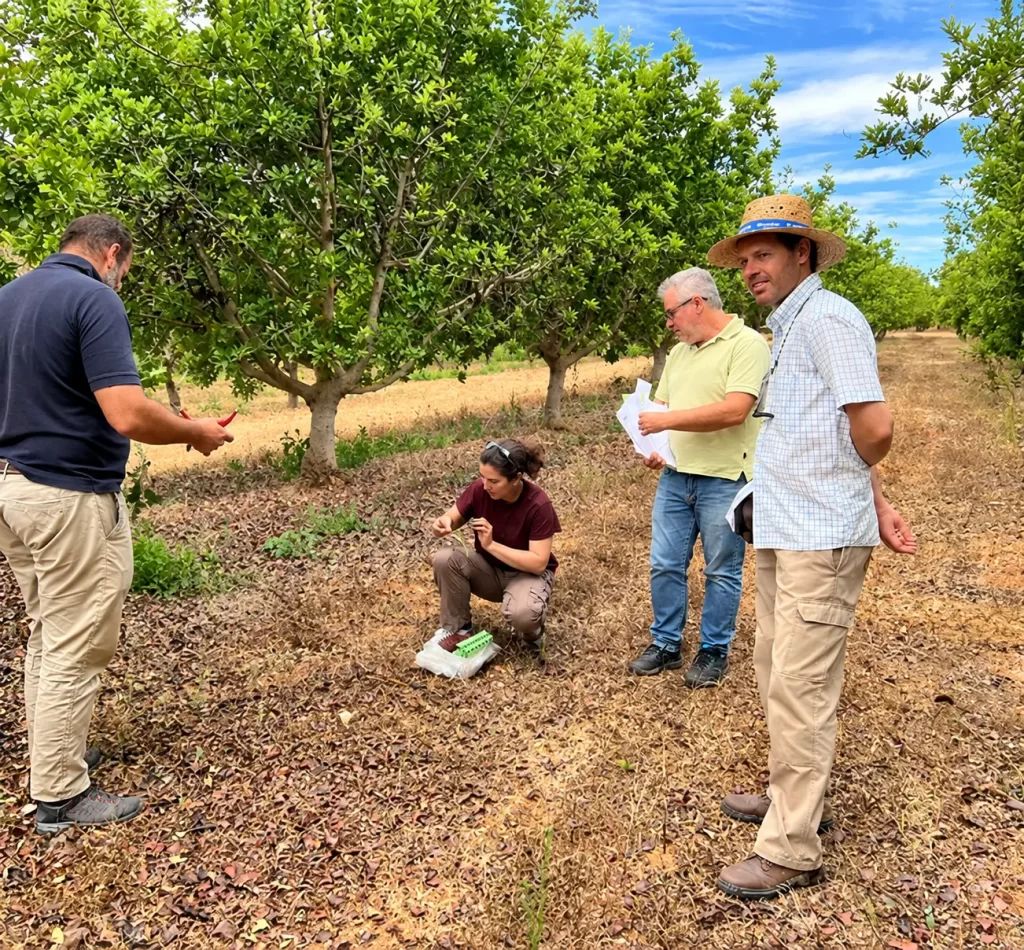
Genotype selection is based on the observation and assessment of traditional Portuguese carob tree varieties, drawing on previously available information and the analysis of the performance of plant material with agronomic potential.
This approach makes it possible to identify genotypes with promising characteristics for future testing, including their establishment in experimental fields and the assessment of their performance under real-world conditions.
The work carried out at this stage therefore aims to transform genetic diversity into applicable knowledge, reducing uncertainty and guiding the selection of the most suitable plant material for the region.
Genotypes were selected based on existing data on traditional Portuguese varieties, creating a working basis for the establishment of subsequent trials.
Why Traditional Portuguese Varieties Matter
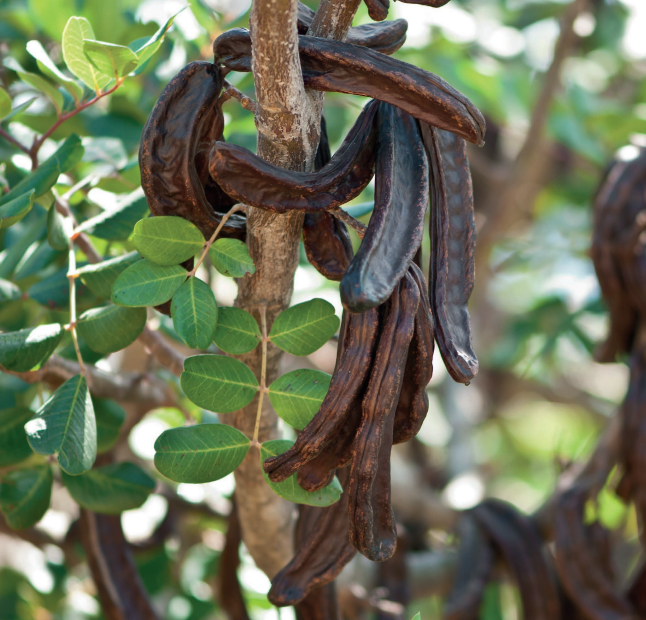
Focusing on traditional Portuguese varieties makes it possible to preserve and promote national genetic resources while strengthening the identity of carob cultivation in Portugal.
In addition to their heritage and agronomic value, these varieties provide an important basis for identifying characteristics that may be useful for climate adaptation, production and the future establishment of orchards in new regions.
By focusing this stage of the project on national germplasm, ALCAROB seeks not only to select plant material of technical interest, but also to promote applied knowledge with potential territorial, agricultural and economic impact.
Contribution to the Alentejo Region
The selection of genotypes tolerant to cold and frost is essential for assessing the viability of the crop in more inland areas of the Alentejo region.
The identification of adapted plant material can support the introduction of a new crop with economic and environmental potential in the region.
This stage provides the foundation for experimental fields, clonal propagation and other applied research activities within the project.
A Stage That Prepares the Way for the Next Steps
Genotype selection is not an end in itself. This area of work lays the foundation for several subsequent stages of the ALCAROB project, including the establishment of experimental fields, the identification of biomarkers associated with tolerance, and the development of in vitro propagation strategies.
By defining the most promising genotypes, the project gains focus, methodological consistency and a greater capacity to generate results that can be applied to agriculture in the region.
From Selection to Field Trials
Discover the next area of the project and find out how the selected genotypes are evaluated in experimental fields in the Alentejo region.