
Home » Areas of Work » Identification of Biomarkers Associated with Cold and Frost Tolerance
Identification of Biomarkers Associated with Cold and Frost Tolerance
ALCAROB aims to identify biomarkers associated with cold and frost tolerance, generating applied scientific knowledge that can support the selection of carob tree genotypes better adapted to the Alentejo region.
Background
The expansion of carob cultivation into colder regions depends not only on observing plant performance in the field, but also on understanding the mechanisms associated with tolerance to cold and frost.
In this context, the identification of biomarkers represents a highly relevant scientific tool. By making it possible to associate specific biological, physiological or molecular signals with adaptation traits, this area of work contributes to making the selection process more robust, informed and efficient.
Within ALCAROB, this research line strengthens the connection between field experimentation and applied science, creating a basis for supporting future decisions on the selection of genotypes with the greatest adaptation potential.
What Are Biomarkers?
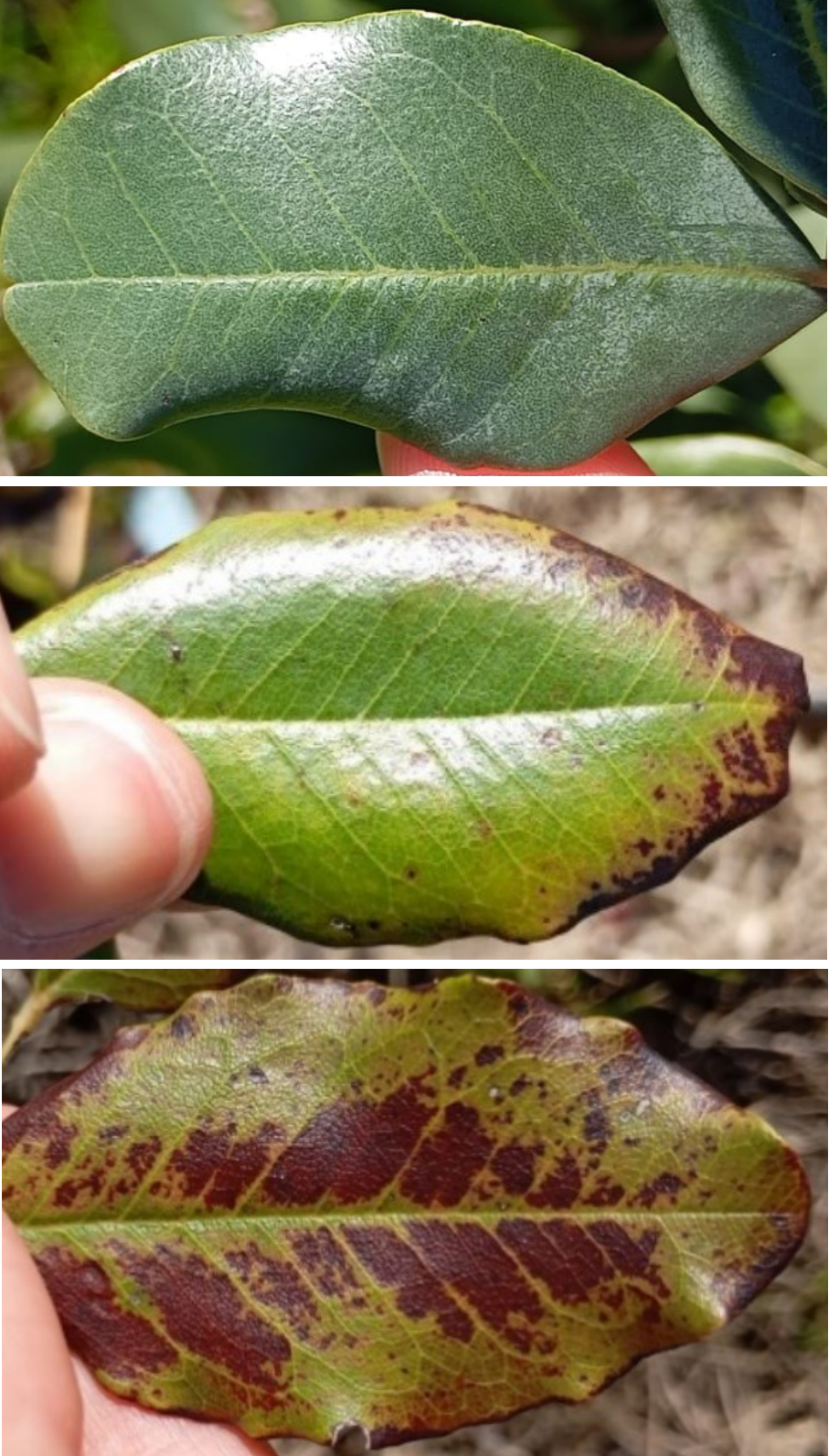
Within the scope of ALCAROB, biomarkers can be understood as indicators associated with how plants respond to cold and frost conditions.
These indicators help identify characteristics relevant to tolerance, strengthening the ability to distinguish more promising genotypes from those with lower adaptation to the climatic demands of the region.
Objective of This Area of Work
This area of work aims to identify biomarkers that can be associated with cold and frost tolerance, contributing to improved future selection of carob tree genotypes of interest for the Alentejo region.
- Gain a better understanding of the mechanisms associated with tolerance
- Support the future selection of genotypes
- Strengthen the scientific basis of the project
- Generate knowledge that can be transferred to other regions and contexts
How This Area Contributes to the Project
The identification of biomarkers adds a deeper scientific dimension to the work carried out within ALCAROB.
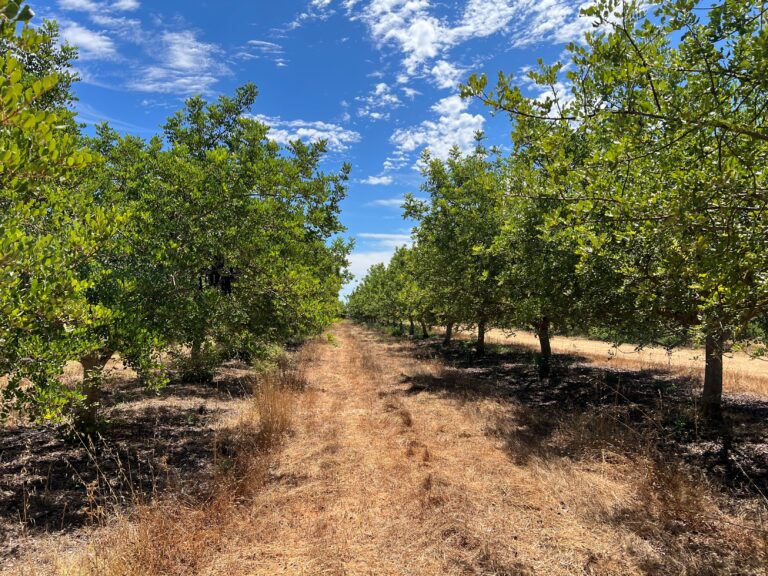
While the experimental fields help observe plant responses under real-world conditions, this area seeks to identify signals that may help explain or anticipate those responses. In this way, selection no longer relies solely on visible observations of plant performance, but also benefits from analytical and comparative knowledge.
By integrating this approach, the project strengthens its ability to generate more robust results and support future selection and propagation strategies.
This area of work helps transform observation into applied knowledge, increasing the precision of the selection process.
Why This Area Matters
The identification of biomarkers strengthens the scientific basis for genotype selection.
This approach can help inform the selection of plant material with greater adaptation potential.
Data collected under experimental conditions gains greater depth when combined with scientific analysis.
The knowledge generated may support future selection strategies in Portugal and in other regions with similar interests and challenges.
Contribution to the Alentejo Region
By identifying indicators associated with cold and frost tolerance, the project strengthens its ability to select plant material better suited to the conditions of the Alentejo region.
This approach can help reduce uncertainty, improve the quality of future decisions and support the establishment of a crop better adapted to the region, with potential agricultural, economic and environmental impact.
In a context of climate adaptation and the need for agricultural diversification, this research line provides valuable knowledge to help establish carob cultivation as a more robust option for the region.
A Stage That Strengthens Future Selection
The identification of biomarkers does not replace field observation, but rather complements it in a significant way.
By generating additional knowledge about the mechanisms associated with tolerance, this area of work helps strengthen future decisions regarding genotype selection, in vitro propagation and the scientific valorisation of the project’s results.
In this way, ALCAROB builds an integrated approach in which selection, field trials, analysis and propagation support one another.
From Biomarker Identification to In Vitro Propagation
Discover how the project develops propagation strategies to produce clonal plant material adapted to the objectives of ALCAROB.